Health Sciences
Science & Culture
Ozempic and Wegovy: From Diabetes Treatment to Weight Loss
Sahithi Medikondla ’29
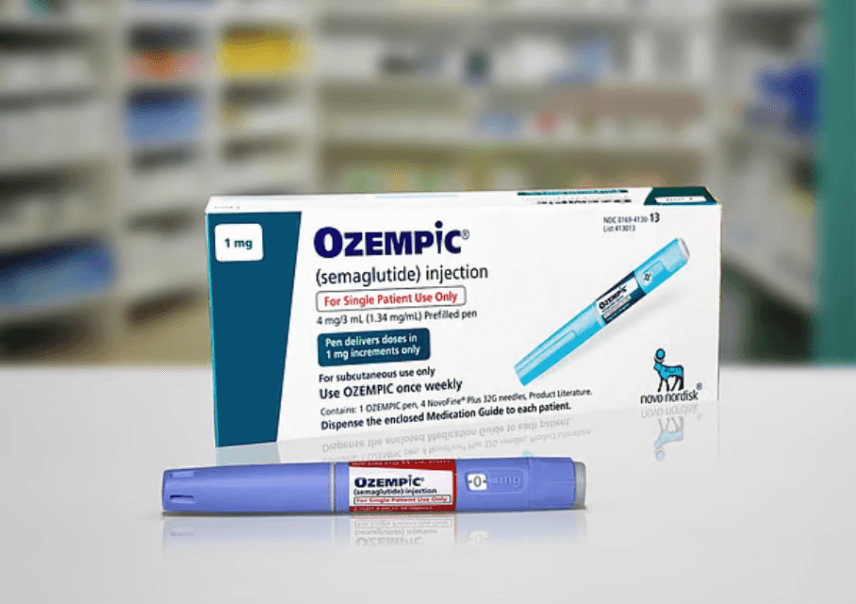
Semaglutide-based medications have fundamentally changed how we approach both diabetes management and obesity treatment. When the FDA approved Ozempic for the treatment of type 2 diabetes in 2017, few could have predicted the cultural phenomenon that would follow. Four years later, Wegovy received approval for chronic weight management, and these drugs now represent the most effective pharmaceutical option available for treating obesity (Lincoff et al., 2023).
Engineering a Better Molecule
Semaglutide falls within the glucagon-like peptide-1 receptor agonist (GLP-1RA) class. Our bodies naturally produce GLP-1, a 30-amino acid peptide that intestinal L cells secrete. While this hormone powerfully stimulates insulin release, it breaks down remarkably quickly, lasting only about 2 minutes before enzymes such as dipeptidyl peptidase-4 (DPP-4) and neutral endopeptidase (NEP) degrade it in the bloodstream (Lau et al., 2015). In 1984, Dr. Daniel Drucker began exploring more stable alternatives, eventually identifying exendin-4 from Gila monster saliva as a GLP-1 analog that resists DPP-4 degradation and remains biologically active much longer.
The engineered version, semaglutide, contains 31 amino acids and shares 94% of its structure with human GLP-1 (Knudsen & Lau, 2019). Three key modifications allow the molecule to stay active in the body far longer than its natural counterpart. At position 8, researchers swapped alanine for α-aminoisobutyric acid (Aib), shielding it from DPP-4 breakdown. Position 34 sees lysine replaced with arginine, preventing the fatty acid side chain from binding incorrectly. Third, and most importantly, at position 26, lysine gets attached to a C-18 fatty diacid chain through a spacer made of two 8-amino-3,6-dioxaoctanoic acid (ADO) units and a glutamic acid residue (Lau et al., 2015).
This C-18 fatty acid attachment dramatically boosts how well semaglutide binds to albumin, the most abundant protein in our blood plasma. Because the side chain loves fat (lipophilic), it slows down how quickly the drug spreads from the injection site by sticking to cell membranes and nearby albumin. Once it enters circulation, this tight but reversible albumin binding creates what scientists call a depot effect, essentially protecting the peptide from getting filtered out by the kidneys or broken down by enzymes (Knudsen & Lau, 2019). These changes work together to extend semaglutide’s half-life to 165-184 hours, making weekly injections under the skin possible while keeping the drug’s power to activate GLP-1 receptors intact (Lau et al., 2015).
How Semaglutide Works
As a GLP-1 receptor agonist, semaglutide activates GLP-1 receptors throughout the body. In the pancreas, when these receptors on β-cells (insulin-producing cells) get activated, they trigger glucose-dependent insulin release while simultaneously putting the brakes on glucagon secretion from α-cells. Glucagon is a hormone that raises blood sugar, so inhibiting it helps lower glucose levels. This two-pronged approach tackles what goes wrong in type 2 diabetes: not enough insulin production coupled with too much glucagon secretion (Meier, 2012).
Beyond pancreatic effects, semaglutide acts on GLP-1 receptors in the hypothalamus and brainstem, brain regions that control hunger and satiety. When the drug activates receptors in areas called the arcuate nucleus and area postrema, it dials down appetite while turning up satiety signals (Blundell et al., 2017). A controlled feeding study demonstrated that participants receiving semaglutide 1.0 mg experienced a 35% reduction in energy intake at a standardized test meal compared to placebo. Semaglutide also slows gastric emptying—the rate at which food moves from the stomach into the small intestine—prolonging the postprandial period and contributing to enhanced satiety (Blundell et al., 2017).
Unprecedented Weight Loss Results
The Semaglutide Treatment Effect in People with Obesity (STEP) clinical trial program established semaglutide 2.4 mg as themost effective FDA-approved anti-obesity medication to date. In STEP 1, 1,961 adults with obesity (BMI ≥30 kg/m²) or overweight (BMI ≥27 kg/m²) with at least one weight-related comorbidity (coexisting condition) were randomized to receive once-weekly subcutaneous semaglutide 2.4 mg or placebo, both combined with lifestyle intervention (Wilding et al., 2021).
At week 68, participants receiving semaglutide achieved a mean weight loss of 14.9% from baseline (−15.3 kg) compared to 2.4% with placebo (−2.6 kg), representing a placebo-adjusted difference of 12.4 percentage points (p<0.001). Approximately 86% of participants receiving semaglutide achieved ≥5% weight loss (versus 32% with placebo), 69% achieved ≥10% weight loss (versus 12% with placebo), and 50% achieved ≥15% weight loss (versus 5% with placebo) (Wilding et al., 2021).
More recent results from the STEP UP trial showed even better outcomes with higher doses. Weekly injections of 7.2 mg semaglutide produced 20.7% average weight loss at 72 weeks, compared to 17.5% with the 2.4 mg dose and 2.4% with placebo. Remarkably, a third of participants on the 7.2 mg dose (33.2%) lost at least 25% of their body weight, versus 16.7% on the lower dose and literally nobody on placebo (Novo Nordisk, 2025).
Protecting the Heart
The Semaglutide Effects on Heart Disease and Stroke in Patients with Overweight or Obesity (SELECT) trial changed our understanding of GLP-1 receptor agonist effects beyond metabolic control. This randomized, double-blind, placebo-controlled trial enrolled 17,604 participants aged ≥45 years with BMI ≥27 kg/m² and established atherosclerotic cardiovascular disease (hardening and narrowing of arteries due to plaque buildup), including prior myocardial infarction (heart attack), stroke, or symptomatic peripheral artery disease, but without diabetes (Lincoff et al., 2023). Participants were randomized 1:1 to receive once-weekly subcutaneous semaglutide 2.4 mg or placebo, with a mean exposure duration of 34.2 months.
The primary outcome researchers tracked was a combination of cardiovascular death, nonfatal heart attack, or nonfatal stroke. This happened to 569 out of 8,803 people (6.5%) taking semaglutide versus 701 out of 8,801 people (8.0%) on placebo, giving a hazard ratio of 0.80 (95% CI: 0.72-0.90; p<0.001), basically a 20% lower risk (Lincoff et al., 2023). When you see a hazard ratio below 1.0, that signals reduced risk, so 0.80 means semaglutide users had one-fifth fewer of these cardiovascular events.
Interestingly, this heart-protecting effect seemed independent of how much weight people lost, pointing to mechanisms beyond just shedding pounds. GLP-1 receptors show up in heart muscle cells (cardiomyocytes) and the lining of blood vessels (vascular endothelium). Studies reveal that GLP-1 receptor agonist treatment tamps down vascular inflammation by reducing pro-inflammatory signaling molecules like IL-6, TNF-α, and MCP-1 (Drucker, 2016). Because of these SELECT findings, the FDA broadened Wegovy’s approved uses in March 2024 to include cutting the risk of major cardiovascular events in adults who already have heart disease and are either obese or overweight.
The Weight Regain Challenge
A fundamental challenge with semaglutide treatment is weight regain upon discontinuation. The STEP 1 trial extension followed 327 participants for an additional 52 weeks after treatment withdrawal (Wilding et al., 2022). From week 0 to week 68, participants receiving semaglutide lost a mean of 17.3% body weight compared to 2.0% with placebo. Following treatment withdrawal from weeks 68 to 120, semaglutide participants regained 11.6 percentage points of their prior weight loss, while placebo participants regained only 1.9 percentage points. By week 120, net weight loss from baseline was 5.6% in the semaglutide group compared to 0.1% in the placebo group. Participants regained approximately two-thirds of their weight loss within one year of discontinuation.
This pattern reflects fundamental biological mechanisms of weight regulation. During caloric restriction, the body activates multiple compensatory responses to restore weight. Resting metabolic rate decreases by 10-15% beyond what would be predicted by reduced body mass alone, a phenomenon termed “adaptive thermogenesis” (Rosenbaum et al., 2008). Simultaneously, hunger hormones like ghrelin increase while satiety hormones like leptin decrease, creating a biological drive to regain lost weight. These mechanisms evolved as survival adaptations to protect against starvation but now complicate long-term weight management. The implication is clear: for most patients, semaglutide represents a chronic treatment rather than a temporary intervention.
The Compounding Crisis
The dramatic demand for semaglutide created an unprecedented supply shortage. As Wegovy prescriptions surged following social media attention and celebrity endorsements, Novo Nordisk struggled to manufacture sufficient quantities. Physicians began prescribing Ozempic off-label for weight loss, diverting supply from diabetes patients. By early 2022, both formulations appeared on the FDA Drug Shortage Database. Under federal regulations, when a drug is listed in shortage, compounding pharmacies may produce their own versions without requiring FDA approval for safety and efficacy. This regulatory exception triggered the proliferation of compounded semaglutide products (FDA, 2024).
The FDA identified significant safety concerns with these preparations. Many compounded products contained semaglutide sodium or semaglutide acetate rather than semaglutide base, representing different chemical entities with potentially different pharmacological profiles. Semaglutide sodium presents specific physiological concerns because the sodium salt form increases the compound’s water solubility but also elevates blood sodium concentration upon absorption. Increased plasma sodium osmolality (the concentration of dissolved particles) draws water from the extracellular space into blood vessels, increasing blood volume. This hypervolemia (excessive blood volume) increases cardiac preload and stroke volume, leading to elevated cardiac output and hypertension.
The FDA received multiple adverse event reports requiring hospitalization related to dosing errors with compounded injectable semaglutide. Confusion between milliliters (volume), milligrams (mass), and “units” led to significant overdosing incidents. Online retailers advertised compounded semaglutide for $9.99-$99 per month, a fraction of Wegovy’s $1,349 monthly list price (FDA, 2024). By February 2025, following Novo Nordisk’s manufacturing capacity expansion, the FDA declared the semaglutide shortage resolved (FDA, 2025).
Adverse Events and Safety Concerns
Clinical trial data established semaglutide's adverse event profile. The most common side effects are gastrointestinal: nausea (44% with semaglutide 2.4 mg versus 17% with placebo in STEP 1), diarrhea (30% versus 16%), vomiting (24% versus 6%), and constipation (24% versus 11%) (Wilding et al., 2021). These effects typically occur during dose escalation and diminish over subsequent weeks as tachyphylaxis (reduced response to repeated drug exposure) develops.
More serious but rare complications include pancreatitis, gallbladder disease, and ileus, which is paralysis of intestinal motility leading to bowel obstruction. Animal studies demonstrated an increased incidence of thyroid C-cell tumors in rodents receiving GLP-1 receptor agonists. The FDA requires a boxed warning stating that semaglutide causes thyroid C-cell tumors in rodents and that the relevance to humans is unknown. The medication is absolutely prohibited in patients with a personal or family history of medullary thyroid carcinoma or multiple endocrine neoplasia syndrome type 2 (MEN2), genetic conditions affecting hormone-producing glands. A concerning finding in Ozempic trials involved new or worsening diabetic retinopathy in 3.0% of semaglutide-treated participants versus 1.8% with placebo in SUSTAIN-6 (Marso et al., 2016).
Alternative Diabetes Treatment
For patients unable or unwilling to use GLP-1 receptor agonists, alternative diabetes medications offer different mechanisms. Metformin, the only drug in the biguanide class, remains the first-line therapy for type 2 diabetes. Metformin’s primary mechanism involves activation of AMP-activated protein kinase (AMPK) in liver cells, which inhibits hepatic gluconeogenesis, the synthesis of glucose from amino acids, lactate, and glycerol (Rena et al., 2017). By reducing hepatic glucose output by approximately 30%, metformin lowers fasting plasma glucose without stimulating insulin secretion, thereby avoiding hypoglycemia risk. Beyond glycemic control, metformin demonstrates pleiotropic benefits. The UK Prospective Diabetes Study (UKPDS) demonstrated that metformin reduced large blood vessel damage and all-cause mortality more effectively than other diabetes medications (UKPDS Group, 1998).
Insulin therapy remains essential for type 1 diabetes and advanced type 2 diabetes. Modern recombinant human insulin production uses Escherichia coli bacteria transformed with plasmids containing human insulin genes. The preproinsulin gene undergoes transcription into mRNA and translation into protein in the bacterial host, followed by enzymatic processing to remove the signal peptide and C-peptide, yielding mature insulin composed of A-chain (21 amino acids) and B-chain (30 amino acids) linked by two disulfide bridges. This biotechnology approach replaced earlier extraction from porcine and bovine pancreases, which produced insulin with slight amino acid differences that triggered immune responses in 5-10% of patients.
Social and Ethical Dimensions
The widespread use of Wegovy for weight loss has sparked intense debate about medical ethics and social attitudes toward obesity. Critics characterize weight-loss medication as “taking the easy way out,” implying that individuals should address obesity through diet and exercise rather than pharmaceutical intervention. This perspective reflects weight stigma, the social devaluation and prejudice toward individuals with obesity, which pervades medical, social, and employment contexts (Puhl & Heuer, 2009).
Research increasingly recognizes obesity as a complex chronic disease involving genetic predisposition, neurohormonal regulation, environmental factors, and metabolic programming. Twin studies demonstrate heritability estimates of 40-70% for BMI, indicating substantial genetic contribution (Elks et al., 2012).
The financial barriers to access exacerbate health inequities. Without insurance coverage, Wegovy costs approximately $1,349 per month, placing it beyond reach for many Americans who would benefit from treatment. Insurance coverage varies dramatically: most plans cover Ozempic for diabetes but exclude Wegovy for weight loss, even when obesity-related comorbidities like type 2 diabetes, hypertension, or abnormal cholesterol or triglyceride levels are present. This creates a perverse incentive structure where patients must develop diabetes before accessing coverage for a medication that could prevent diabetes. Medicare Part D explicitly excludes coverage for weight-loss drugs, a restriction dating to the Medicare Modernization Act of 2003.
Conclusion
Semaglutide represents a significant pharmacological advance in obesity treatment, with clinical trials demonstrating unprecedented weight loss and cardiovascular benefits. However, the medication’s success reveals systemic challenges in healthcare delivery. The compounding crisis exposed vulnerabilities in pharmaceutical supply chains and regulatory oversight. Weight regain following discontinuation indicates that obesity treatment requires chronic intervention rather than temporary weight loss. The high cost and variable insurance coverage create access disparities that may widen rather than narrow health inequities.
The fundamental question remains: What constitutes appropriate obesity treatment in a society where social, economic, and environmental factors profoundly influence body weight? The challenge now is ensuring that pharmaceutical advances benefit all who need them rather than only those who can afford them.
Edited by: Nandhini Parthasarathy ‘ 26
Image Reference: Ozempic. https://gumlet.assettype.com/healthday-en/2024-09-03/6j6kijvt/723346714.jpeg?width=1200.
Sources
Blundell, J., Finlayson, G., Axelsen, M., et al. (2017). Effects of once-weekly semaglutide on appetite, energy intake, control of eating, food preference and body weight in subjects with obesity. Diabetes, Obesity and Metabolism, 19(9), 1242-1251.
Drucker, D. J. (2016). The cardiovascular biology of glucagon-like peptide-1. Cell Metabolism, 24(1), 15-30.
Elks, C. E., den Hoed, M., Zhao, J. H., et al. (2012). Variability in the heritability of body mass index: A systematic review and meta-regression. Frontiers in Endocrinology, 3, 29.
U.S. Food and Drug Administration. (2024). Alert on dosing errors with compounded injectable semaglutide products. FDA Drug Safety Communication.
U.S. Food and Drug Administration. (2025). Clarification of policies for compounders as GLP-1 supply stabilizes. FDA Policy Statement.
Knudsen, L. B., & Lau, J. (2019). The discovery and development of liraglutide and semaglutide. Frontiers in Endocrinology, 10, 155.
Lau, J., Bloch, P., Schäffer, L., et al. (2015). Discovery of the once-weekly glucagon-like peptide-1 (GLP-1) analogue semaglutide. Journal of Medicinal Chemistry, 58(18), 7370-7380.
Lincoff, A. M., Brown-Frandsen, K., Colhoun, H. M., et al. (2023). Semaglutide and cardiovascular outcomes in obesity without diabetes. New England Journal of Medicine, 389(24), 2221-2232.
Marso, S. P., Bain, S. C., Consoli, A., et al. (2016). Semaglutide and cardiovascular outcomes in patients with type 2 diabetes. New England Journal of Medicine, 375(19), 1834-1844.
Meier, J. J. (2012). GLP-1 receptor agonists for individualized treatment of type 2 diabetes mellitus. Nature Reviews Endocrinology, 8(12), 728-742.
Novo Nordisk. (2025). STEP UP trial results for semaglutide 7.2 mg. Novo Nordisk Press Release.
Puhl, R. M., & Heuer, C. A. (2009). The stigma of obesity: A review and update. Obesity, 17(5), 941-964.
Rena, G., Hardie, D. G., & Pearson, E. R. (2017). The mechanisms of action of metformin. Diabetologia, 60(9), 1577-1585.
Rosenbaum, M., Hirsch, J., Gallagher, D. A., et al. (2008). Long-term persistence of adaptive thermogenesis in subjects who have maintained a reduced body weight. American Journal of Clinical Nutrition, 88(4), 906-912.
UK Prospective Diabetes Study (UKPDS) Group. (1998). Effect of intensive blood-glucose control with metformin on complications in overweight patients with type 2 diabetes (UKPDS 34). The Lancet, 352(9131), 854-865.
Wilding, J. P., Batterham, R. L., Calanna, S., et al. (2021). Once-weekly semaglutide in adults with overweight or obesity. New England Journal of Medicine, 384(11), 989-1002.
Wilding, J. P., Batterham, R. L., Davies, M., et al. (2022). Weight regain and cardiometabolic effects after withdrawal of semaglutide: The STEP 1 trial extension. Diabetes, Obesity and Metabolism, 24(8), 1553-1564.
Read More

Reese Kugel '29
The Gut Feeling: How Serotonin’s True Origin Is Reshaping Our Understanding of Depression
Research on gut-derived serotonin is reshaping traditional views of depression and antidepressant treatment.

Soham Shah '29
A Perspective on Artificial Intelligence in Healthcare
AI improves diagnostic speed and accuracy, but for treatment it must stay a support tool because of ethical, legal, empathy issues.
Kevin He '29
Universal Base-Edited CAR7 T-Cell Therapy to Treat Relapsed T-cell Acute Lymphoblastic Leukemia (T-ALL)
Base-edited CAR-T therapy offers new hope for relapsed T-ALL by inducing remission and bridging patients to stem cell transplant.