Neuroscience
Nina Prakash's Senior Thesis Spotlight: Investigating the role of the serotonin 1B receptor in the neuroplastic effects of psilocybin in mice
Nina Prakash
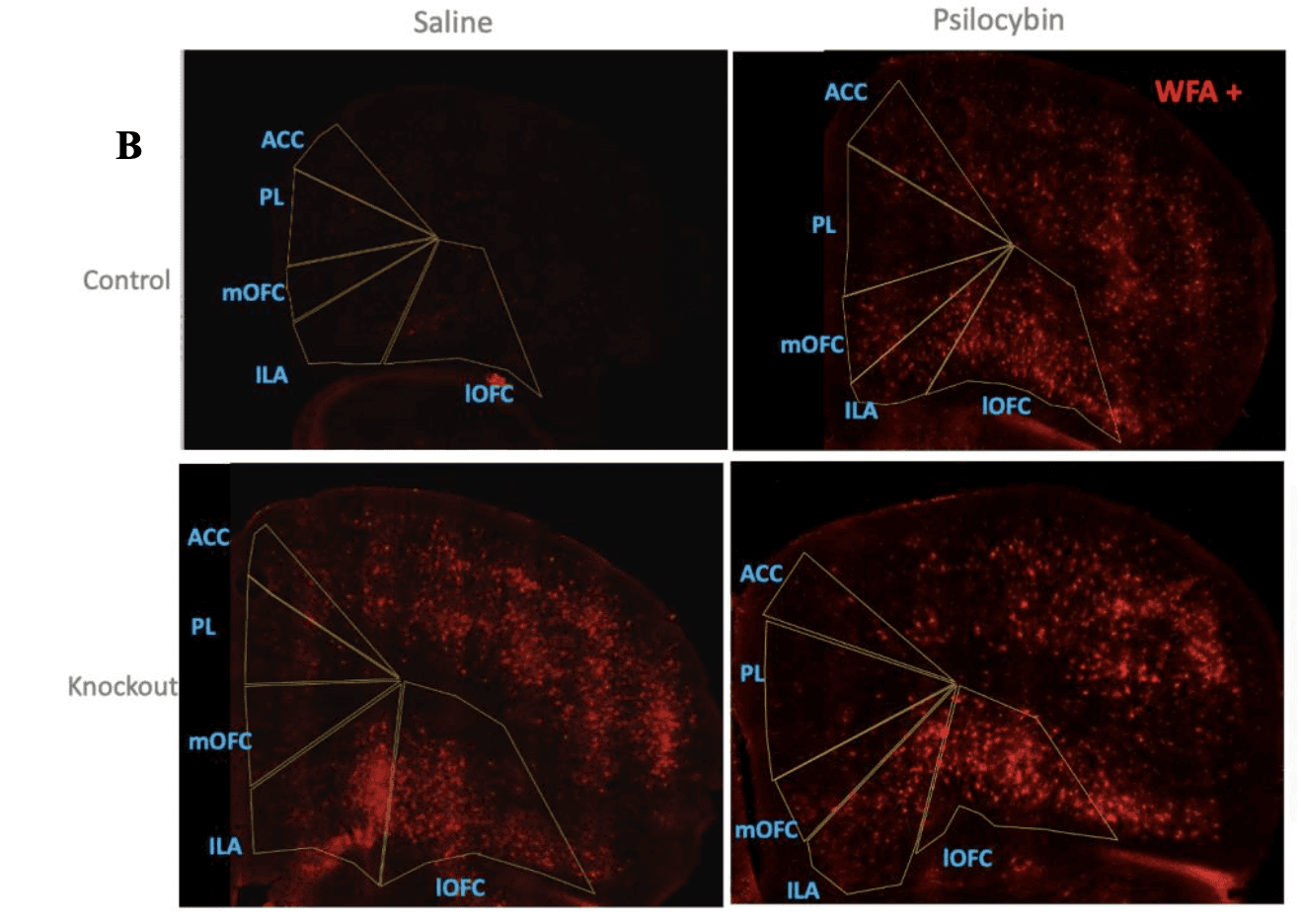
Abstract: Recent studies show strong potential of psychedelic therapies for treatment of a range of psychiatric disorders such as major depressive disorder. Psilocybin is commonly known for its hallucinatory effects. As a result, its clinical effects are generally attributed to the activation of the serotonin 2A receptor (5-HT2AR), a necessary receptor for psilocybin’s hallucinogenic effects. However, psilocybin binds to many serotonin receptor subtypes, and recent studies in rodents suggest its therapeutic effects may be independent of the 5-HT2AR. We hypothesized that psilocybin may influence depressive-like behaviors via the serotonin 1B receptor (5- HT1BR), a serotonin receptor that does not induce hallucinations and that is involved in depressive-like phenotypes. Our study aimed to uncover 5-HT1B’s involvement in psilocybin’s neuroplastic effects, specifically in the prefrontal cortex and hippocampal formation by quantifying perineuronal nets (PNNs), a component of the extracellular matrix known to regulate plasticity. To address this, we used a transgenic mouse model to globally knock out expression of 5-HT1BR. Overall, our findings show that psilocybin increases PNN count, density, and intensity in control mice in prefrontal regions and the hippocampus, but not in mice lacking the 5-HT1BR. This suggests an important role of the 5-HT1BR in modulating psilocybin’s neuroplastic response.
Read the full thesis here: https://www.dropbox.com/scl/fi/uti4y43if33uzxhzso5mv/NinaPrakashSignedThesis.pdf?rlkey=l8ogn5dyrg69inwda6ttdxfiu&st=8jz4drwz&raw=1
Read More
Reese Kugel '29
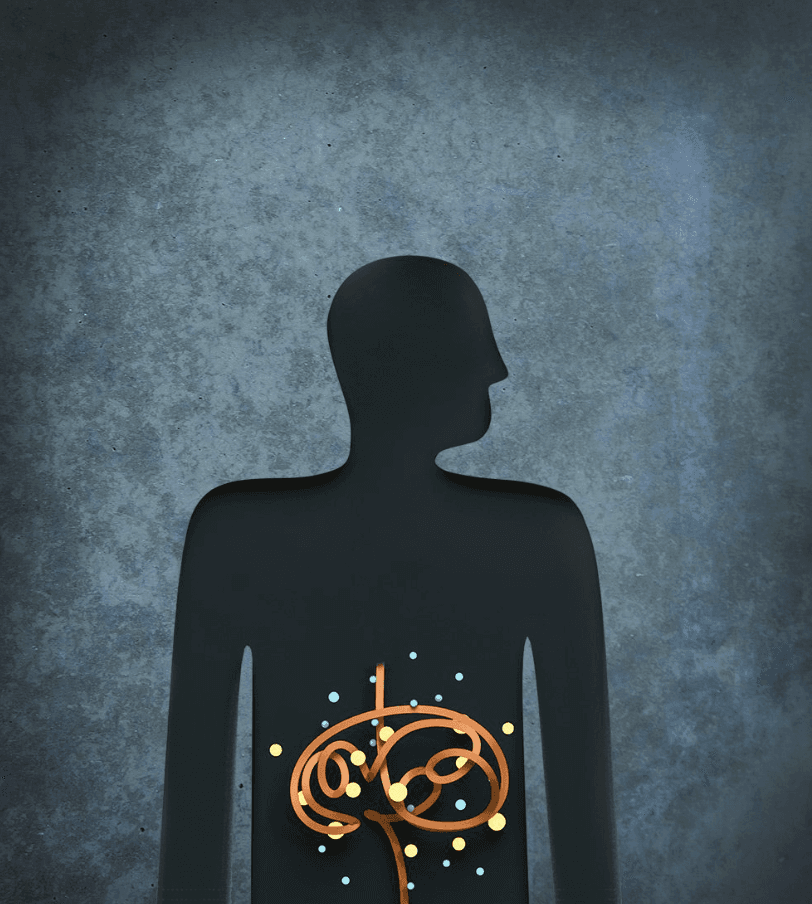
The Gut Feeling: How Serotonin’s True Origin Is Reshaping Our Understanding of Depression
Research on gut-derived serotonin is reshaping traditional views of depression and antidepressant treatment.

Soham Shah '29
A Perspective on Artificial Intelligence in Healthcare
AI improves diagnostic speed and accuracy, but for treatment it must stay a support tool because of ethical, legal, empathy issues.
Kevin He '29
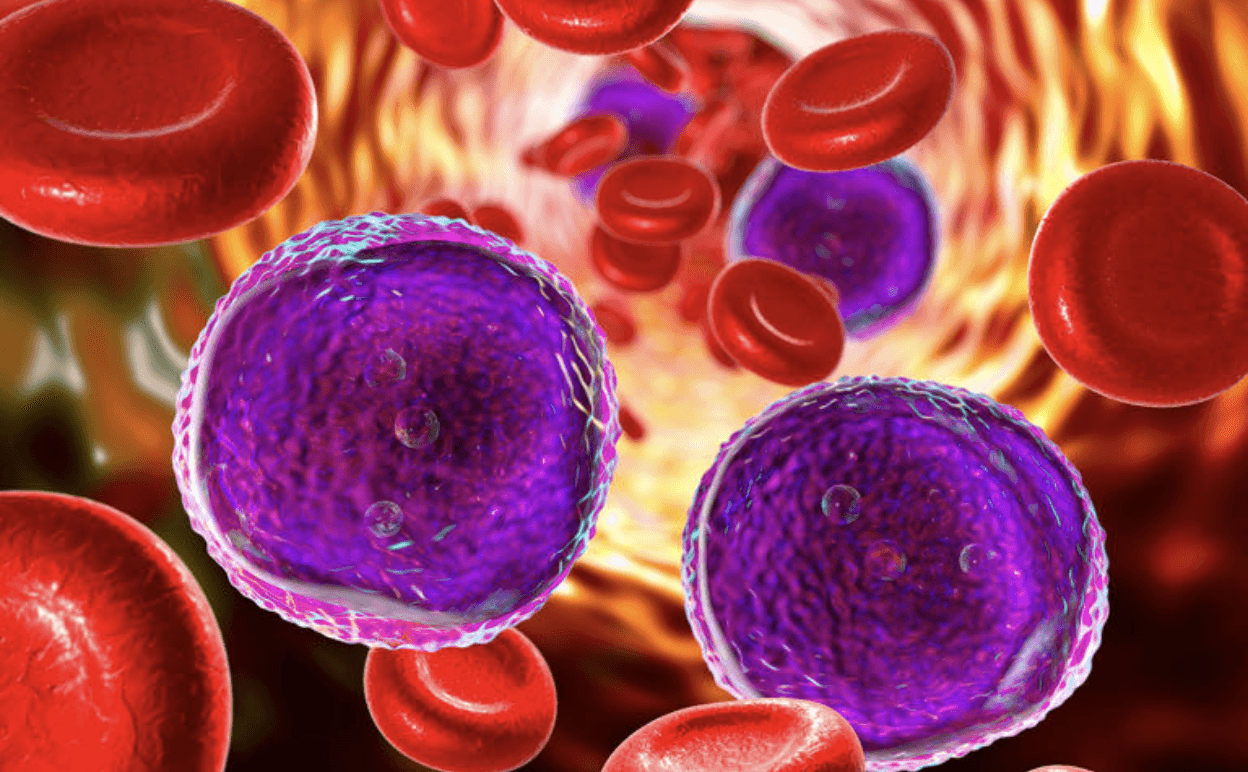
Universal Base-Edited CAR7 T-Cell Therapy to Treat Relapsed T-cell Acute Lymphoblastic Leukemia (T-ALL)
Base-edited CAR-T therapy offers new hope for relapsed T-ALL by inducing remission and bridging patients to stem cell transplant.