Articles
Reese Kugel '29
May 13, 2026
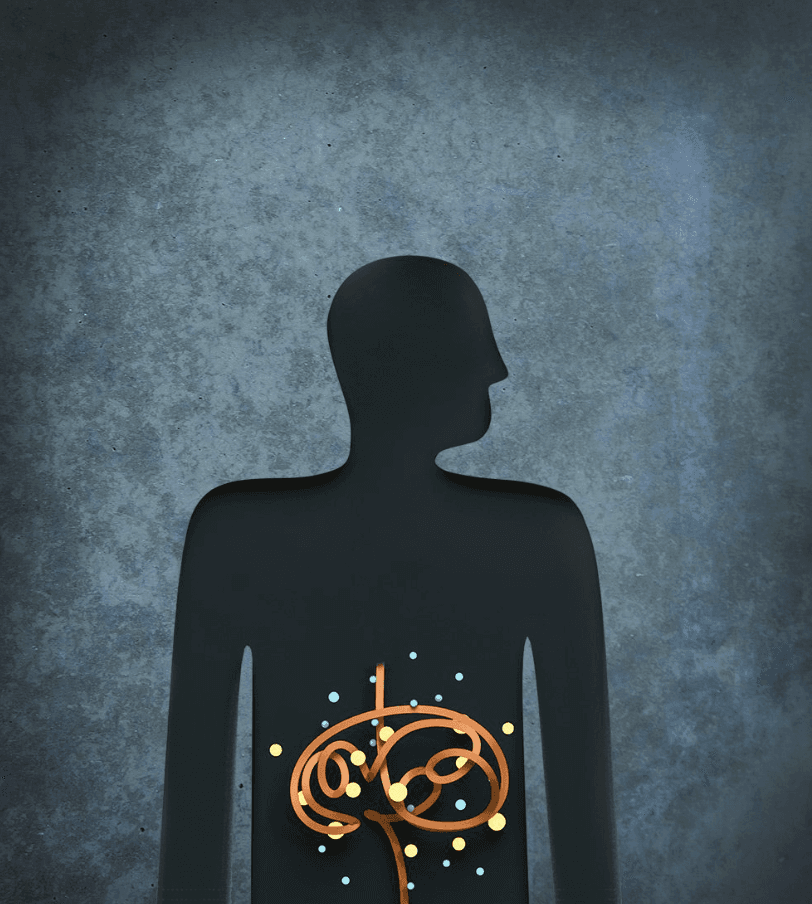
The Gut Feeling: How Serotonin’s True Origin Is Reshaping Our Understanding of Depression
Research on gut-derived serotonin is reshaping traditional views of depression and antidepressant treatment.

Soham Shah '29
Apr 18, 2026
A Perspective on Artificial Intelligence in Healthcare
AI improves diagnostic speed and accuracy, but for treatment it must stay a support tool because of ethical, legal, empathy issues.
Kevin He '29
Apr 4, 2026
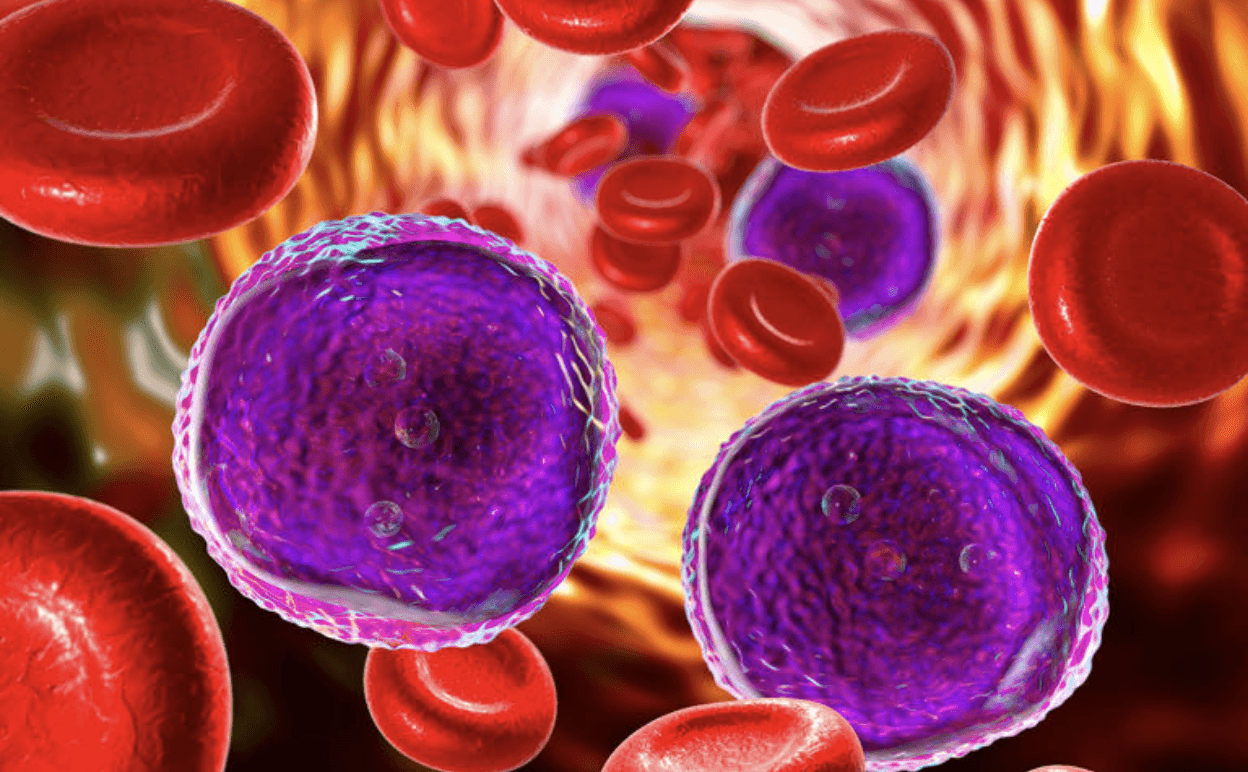
Universal Base-Edited CAR7 T-Cell Therapy to Treat Relapsed T-cell Acute Lymphoblastic Leukemia (T-ALL)
Base-edited CAR-T therapy offers new hope for relapsed T-ALL by inducing remission and bridging patients to stem cell transplant.
Popular Articles This Week
The Gut Feeling: How Serotonin’s True Origin Is Reshaping Our Understanding of Depression
Reese Kugel '29
May 13, 2026
Research on gut-derived serotonin is reshaping traditional views of depression and antidepressant treatment.
A Perspective on Artificial Intelligence in Healthcare
Soham Shah '29
Apr 18, 2026
AI improves diagnostic speed and accuracy, but for treatment it must stay a support tool because of ethical, legal, empathy issues.
Universal Base-Edited CAR7 T-Cell Therapy to Treat Relapsed T-cell Acute Lymphoblastic Leukemia (T-ALL)
Kevin He '29
Apr 4, 2026
Base-edited CAR-T therapy offers new hope for relapsed T-ALL by inducing remission and bridging patients to stem cell transplant.
Browse All Articles
Applied Sciences
Biological Sciences
Computer Science
Health Sciences
Neuroscience
Physical Sciences

Teddy Le '29
Milk, Marketing, and Manufactured Ignorance
Can milk really hydrate better than water? MilkPEP's advertising campaign shows how bias and agnotology turn limited findings into marketing claims.
Taanvi Gowdar '28 and Aditi Singh '28
Ask a Scientist – Episode 3: Molecules with a Mission
Meet Das Thamatoor—organic chemist turning synthesis into life‑saving drugs, low‑risk molecules, and student‑driven sustainability.
Reese Kugel '29
The Gut Feeling: How Serotonin’s True Origin Is Reshaping Our Understanding of Depression
Research on gut-derived serotonin is reshaping traditional views of depression and antidepressant treatment.
Geair Justice '29
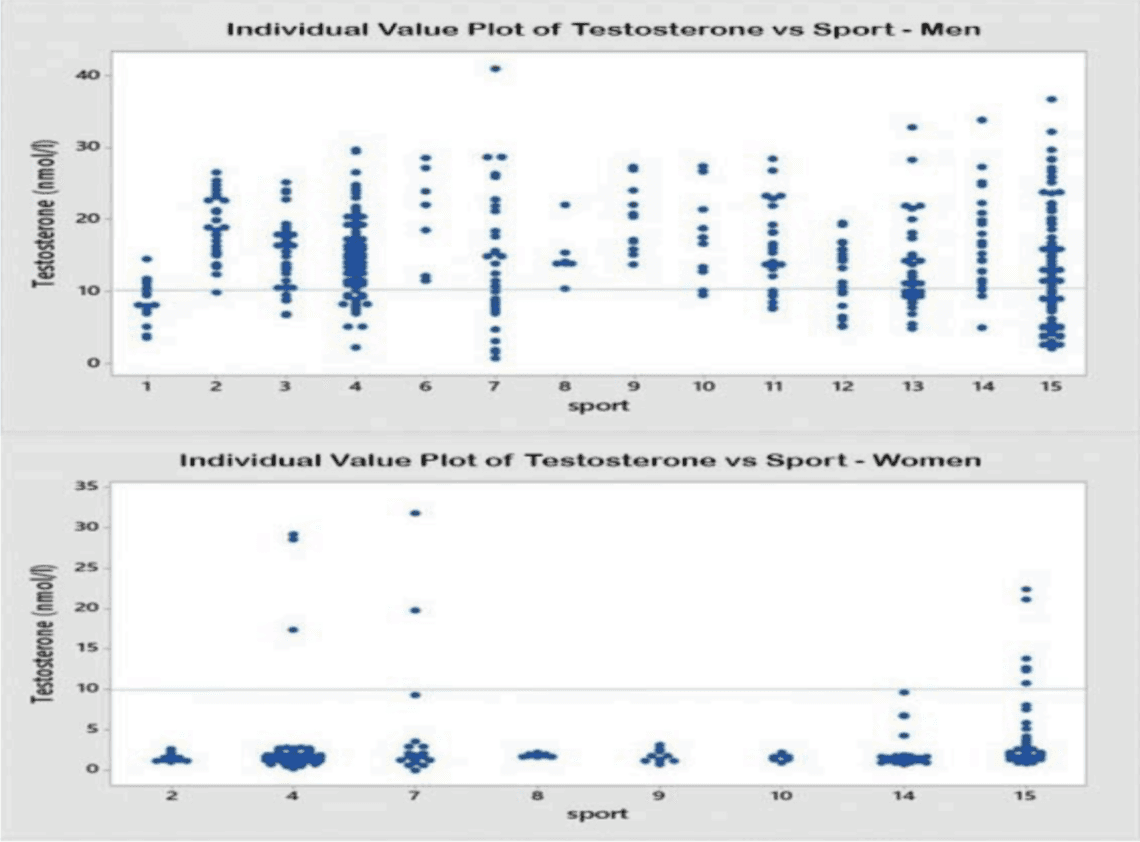
Bioethics of Gender in Sport
Testosterone influences performance, but its complex effects and ethical-social concerns make it an unreliable basis for women’s sport eligibility.
Soham Shah '29
A Perspective on Artificial Intelligence in Healthcare
AI improves diagnostic speed and accuracy, but for treatment it must stay a support tool because of ethical, legal, empathy issues.
Aditi Singh '28
Maternal Mortality in the United States
Maternal mortality in the United States is a critical public health issue, with rates rising due to disparities in care and systemic inequities.
Eleanor Oden '28 and Taanvi Gowdar '28
Ask a Scientist – Episode 2: Taking the Pulse of Global Health
Meet Dawn Carey—a global health leader who examines why inequities persist and how we can strengthen systems to expand access to care worldwide.
Kevin He '29
Universal Base-Edited CAR7 T-Cell Therapy to Treat Relapsed T-cell Acute Lymphoblastic Leukemia (T-ALL)
Base-edited CAR-T therapy offers new hope for relapsed T-ALL by inducing remission and bridging patients to stem cell transplant.
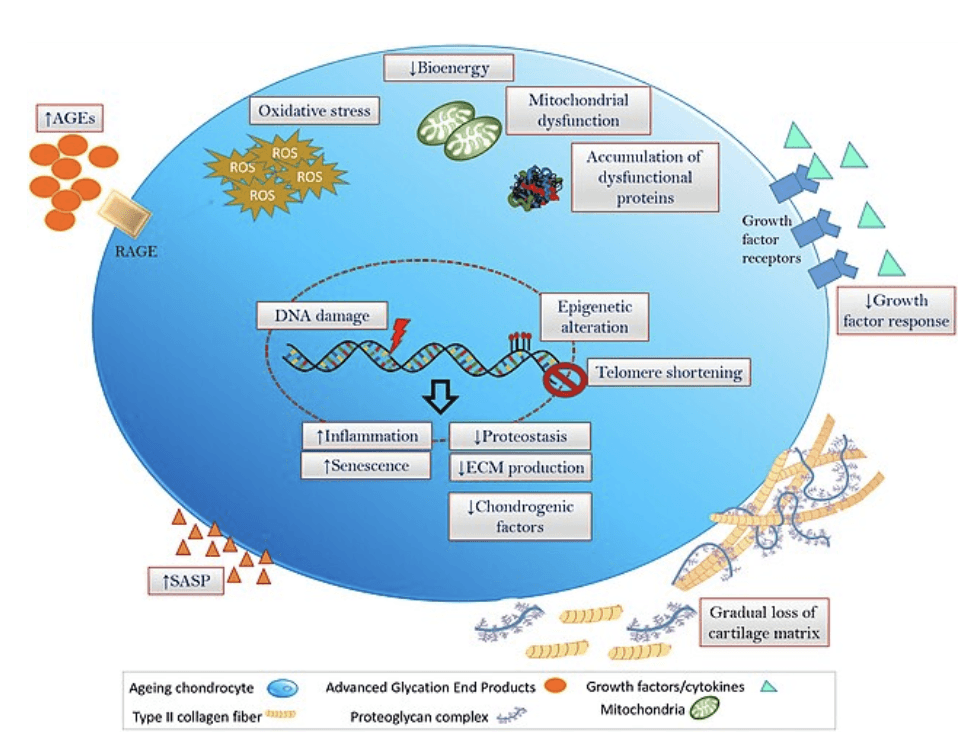
Keigo Fujita '29
Rejuvenating Senescent Dopaminergic Neurons: A Novel Therapeutic Approach to Parkinson's Disease
A novel therapeutic strategy for Parkinson's Disease may soon restore neuronal function without neuron elimination or replacement.
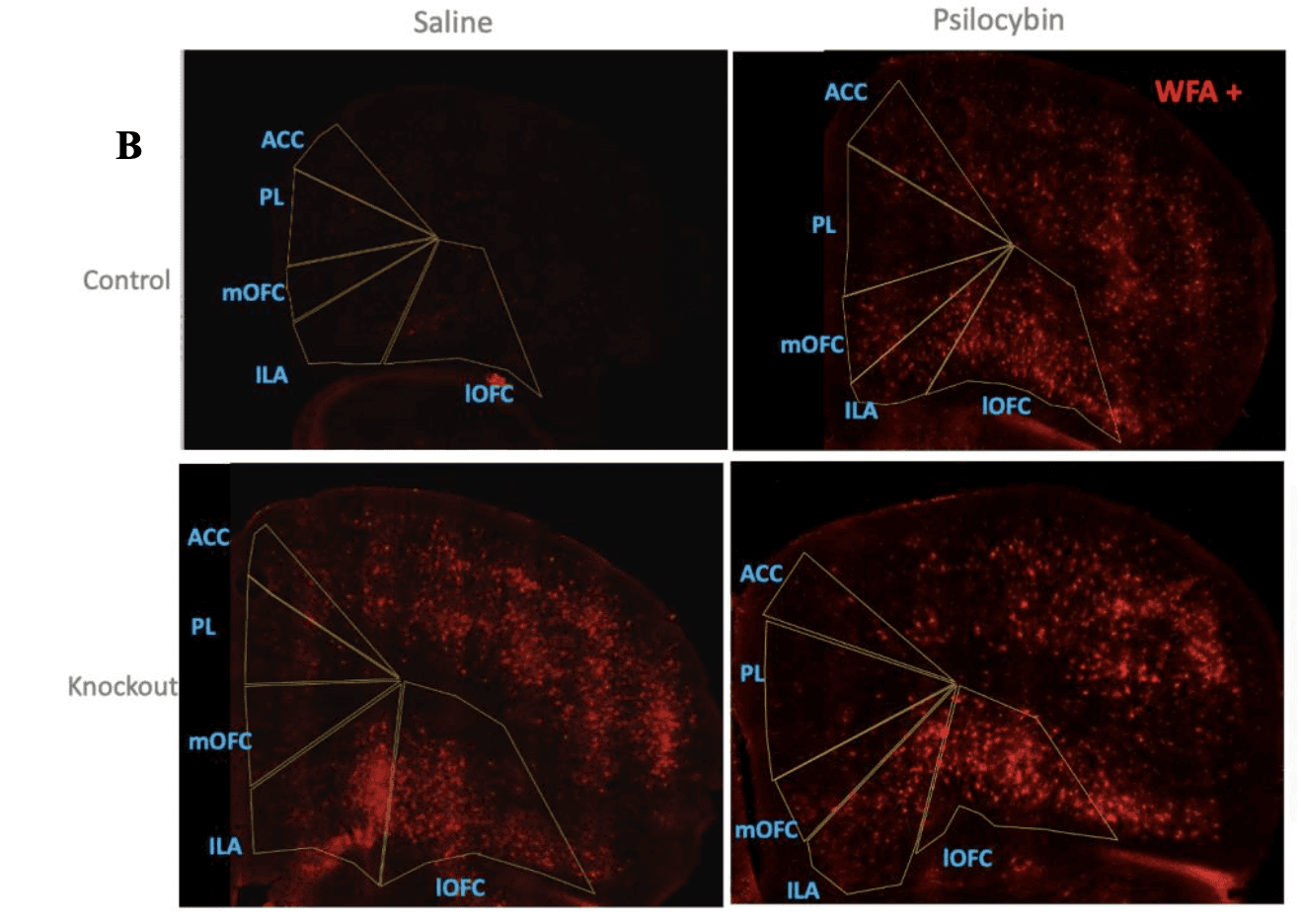
Nina Prakash
Nina Prakash's Senior Thesis Spotlight: Investigating the role of the serotonin 1B receptor in the neuroplastic effects of psilocybin in mice
Nina Prakash ’25 studies whether psilocybin’s neuroplastic effects depend on serotonin 1B rather than serotonin 2A.
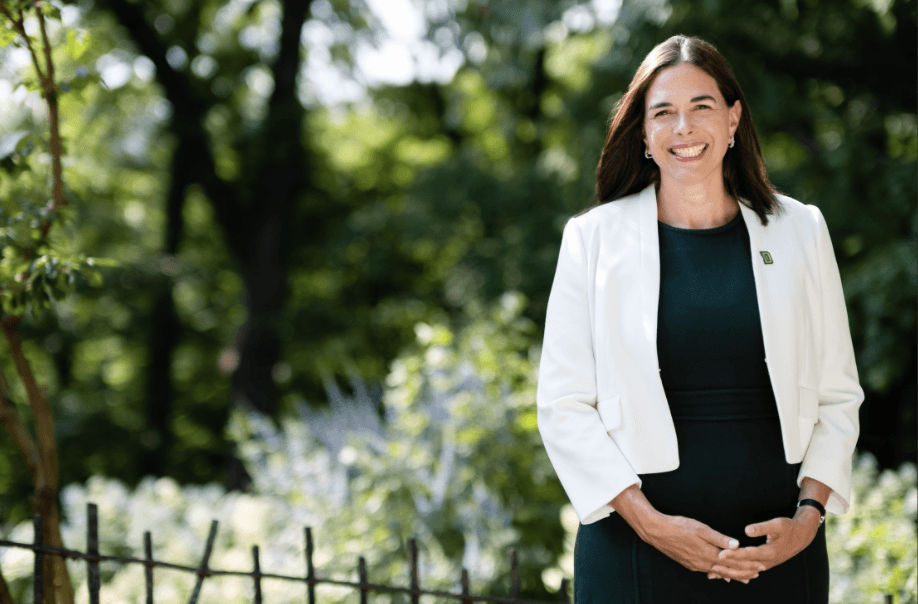
Namitha Alluri and Sachi Badola
Ask a Scientist – Episode 1: Why Do We Choke Under Pressure?
Meet President Sian Leah Beilock—a renowned cognitive scientist who studies why we choke under pressure and how we can perform at our best.
Aditi Singh '28
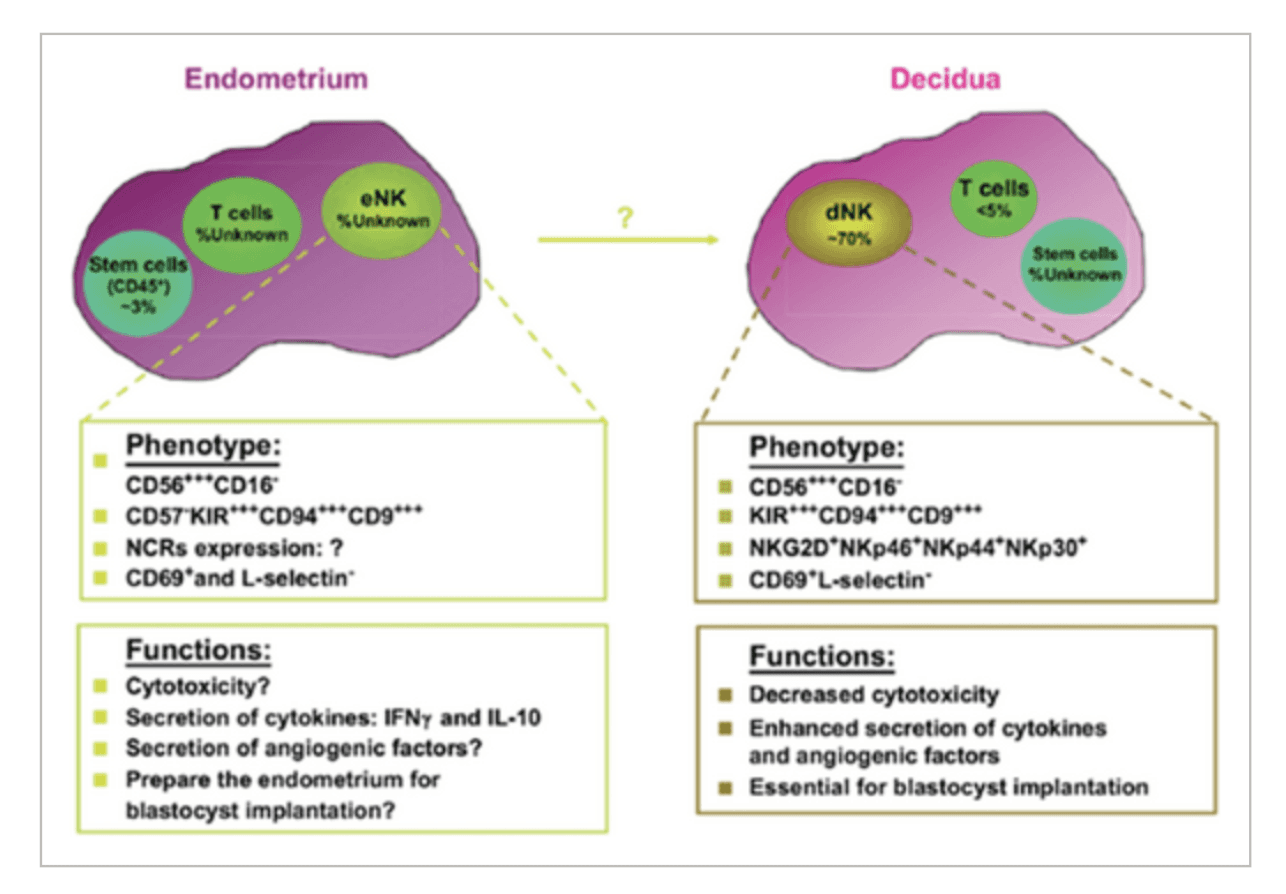
The Maternal-Fetal Immune Dialogue: Systemic and Local Mechanisms
The maternal and fetal immune systems are modulated to facilitate fetal survival.
Brandon Lee '28
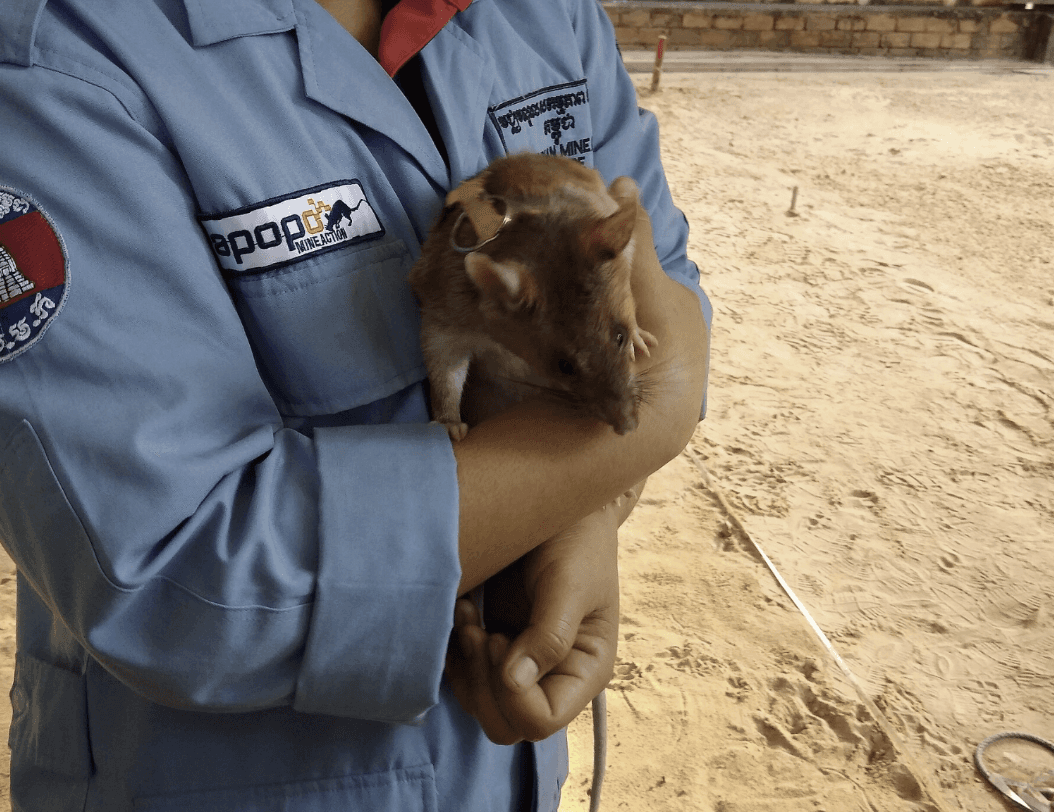
How Creative Global Health Solutions with Animals Have Redefined Testing and Prevention.
Creative, animal-based solutions to global health issues have the potential to fill the gaps in health coverage.
Sahithi Medikondla ’29
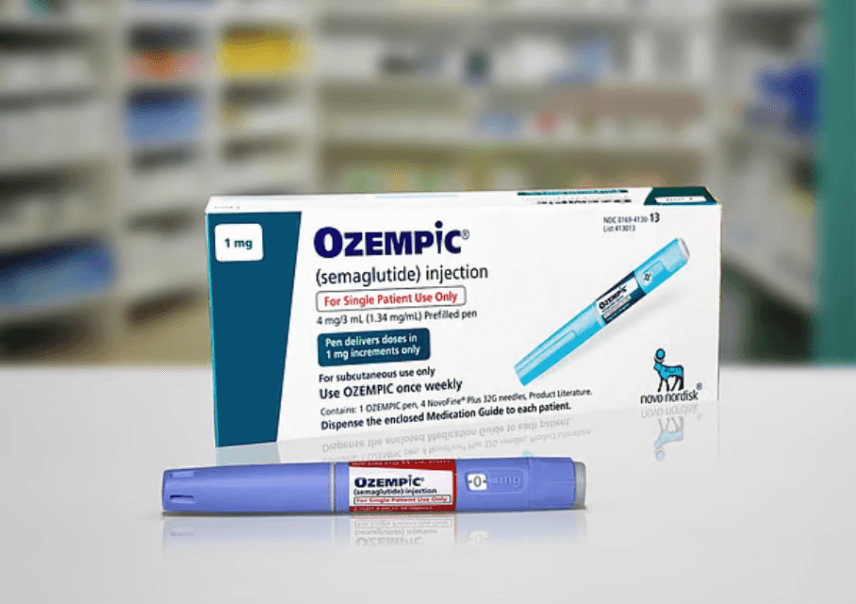
Ozempic and Wegovy: From Diabetes Treatment to Weight Loss
Semaglutide-based medications have fundamentally changed how we approach both diabetes management and obesity treatment.

Alexis Park '28
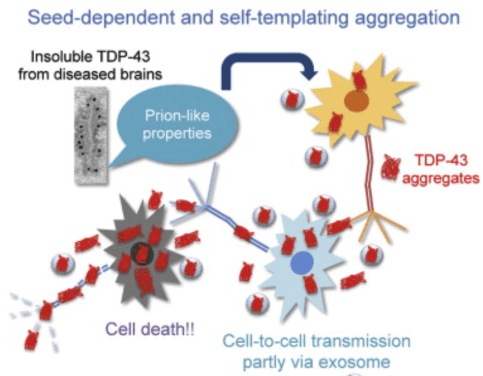
Understanding Amyotrophic Lateral Sclerosis (ALS) through TDP-43 Pathology
Amyotrophic lateral sclerosis, also known as Lou Gehrig’s disease, is a neurodegenerative disease that affects the upper and lower motor neurons.

Alexis Park ‘28
Guanylyl Cyclase: The Protein Unlocking Therapy Pathways for Parkinson’s Patients
Parkinson’s disease (PD) is classified as a chronic neurodegenerative disorder that hinders movement and balance.

Fatma Al Arbawi ‘27
Strokes: A Deep Dive and Insight into BCIs
Stroke remains one of the top five leading causes of death and morbidity in the United States and the second leading cause of death globally.

Yiran Jiang ’26
Parallels Between AlphaFold’s Neural Architecture and Human Spatial Reasoning
AlphaFold has shown great potential to aid biochemical research and protein engineering.
Jim Heller ‘28
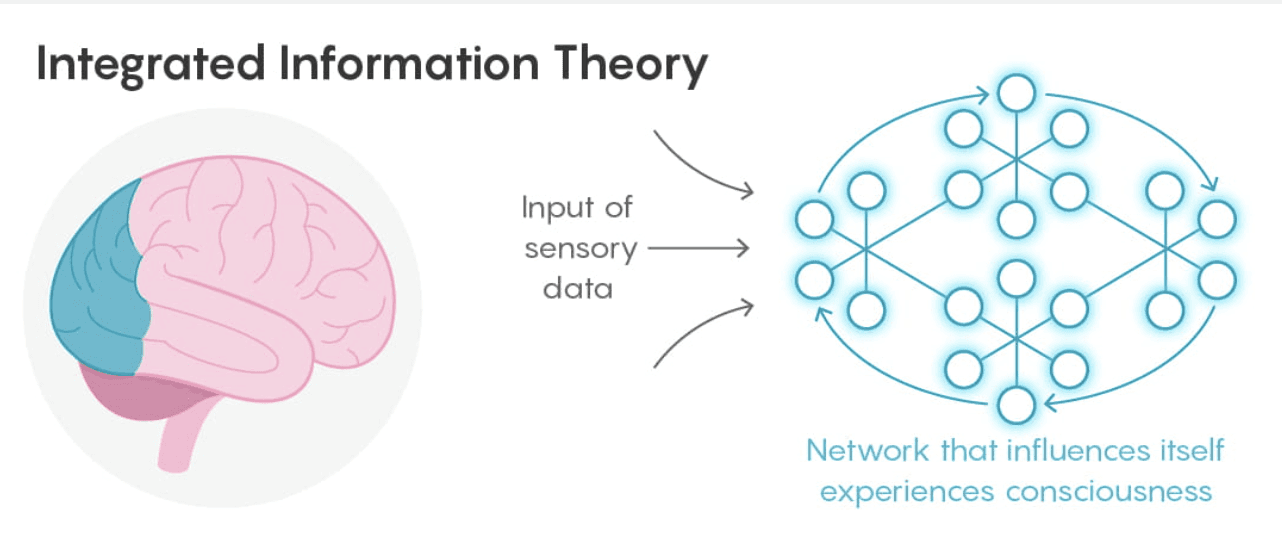
Integrated Information Theory: A Neuroscientific Theory of Consciousness
IIT is a theory of consciousness primarily developed by a neuroscientist named Giulio Tononi.

Nandhini Parthasarathy ’26
Emotional Decisions: A Cognitive Perspective on Accuracy
Emerging research suggests that emotions can contribute to accurate decisions when approached with a structured framework.

Aditi Singh ’28
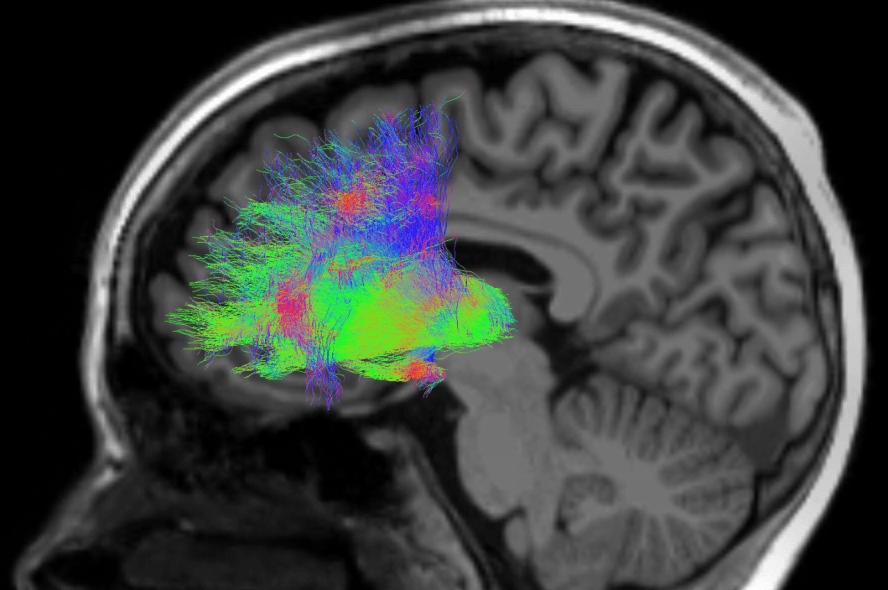
Schizophrenia and Substance Abuse: A Complex Connection
In 2020, author Robert Kolker published Hidden Valley Road, detailing the tragic story of the Galvin family, in which six out of twelve children...

Jim Heller ’28
Why should STEM Students Care about The Liberal Arts at All?
In Dartmouth College’s Blobby (Baker Library lobby), the “Harold Rugg History Room,” exists at the end of the West Hall.
Yiran Jiang ‘26
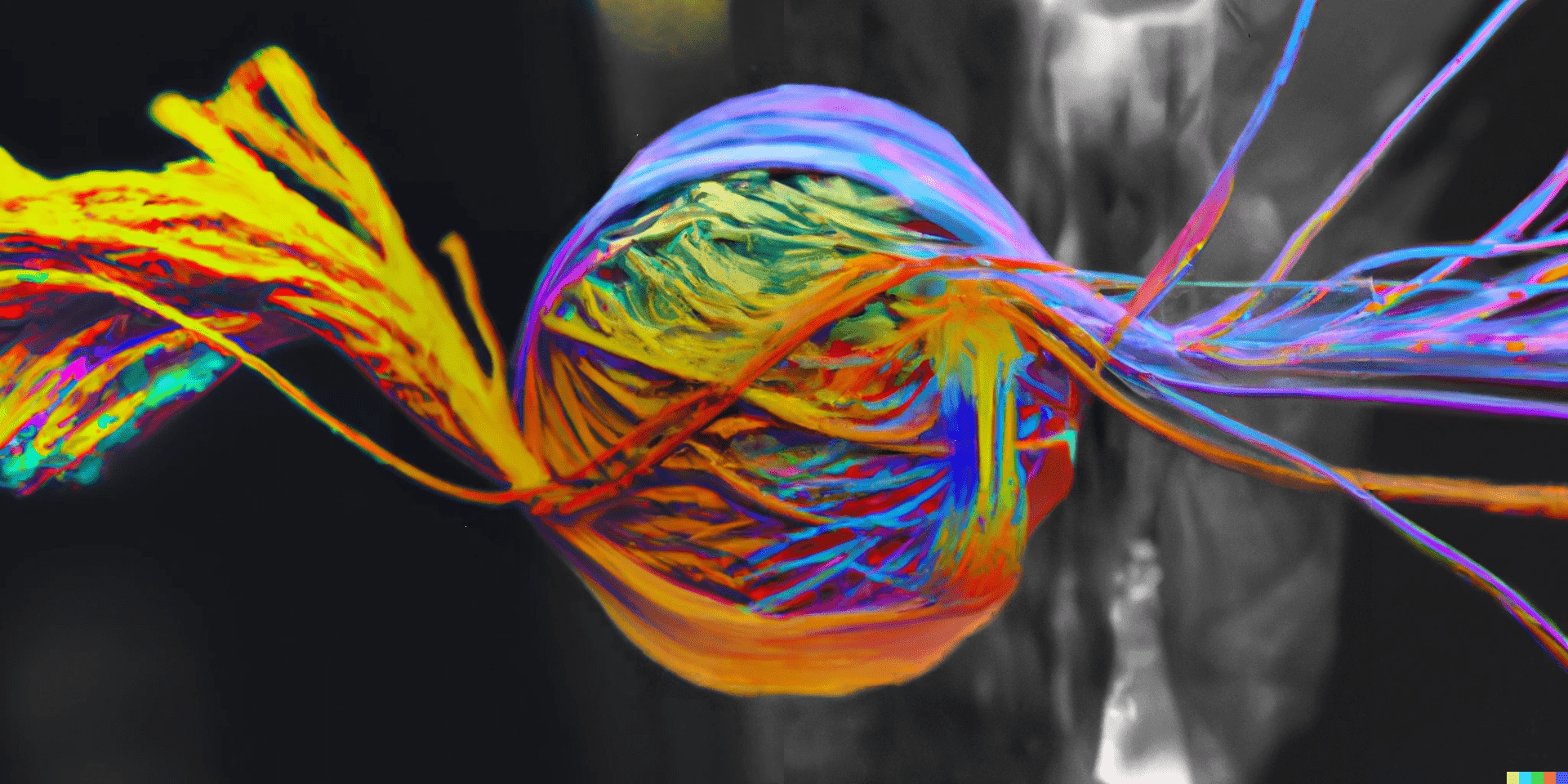
The Prospect of Integrating Modularity in Large Language Models
Since the early 1980s, the concept of modularity has been important in understanding how the mind works (Robbins).
Alice Wong '25
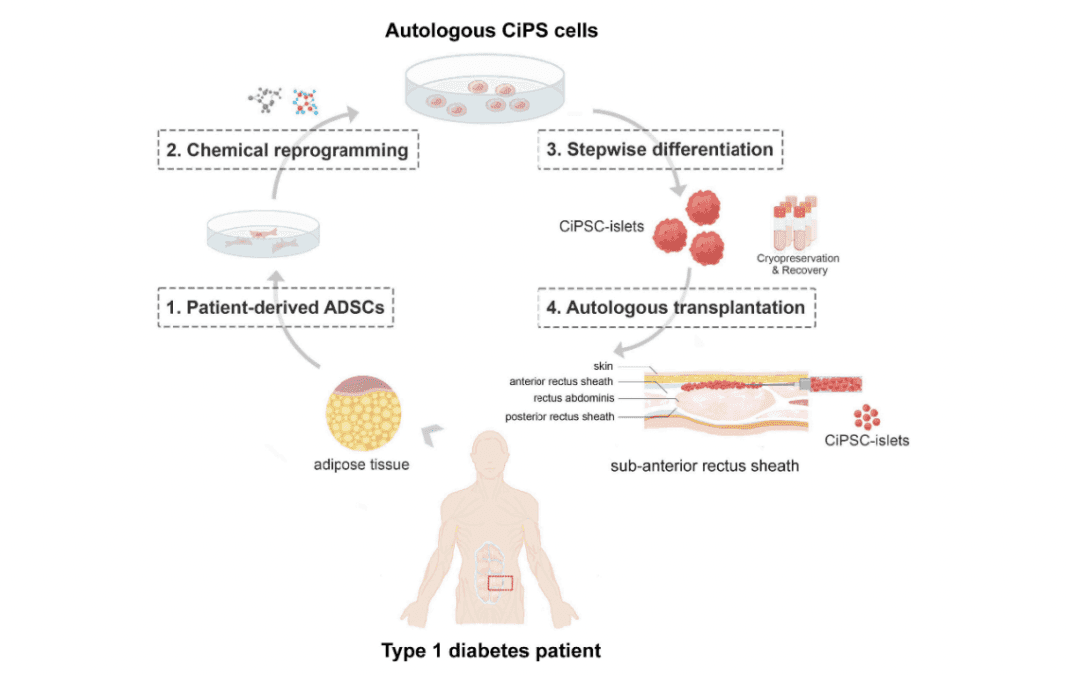
Revolutionizing diabetes treatment: autologous CiPSC-Islet transplantation
Type 1 diabetes is a chronic autoimmune condition in which the body’s immune system erroneously targets and destroys β-cells within the pancreas.
Aditi Singh ’28
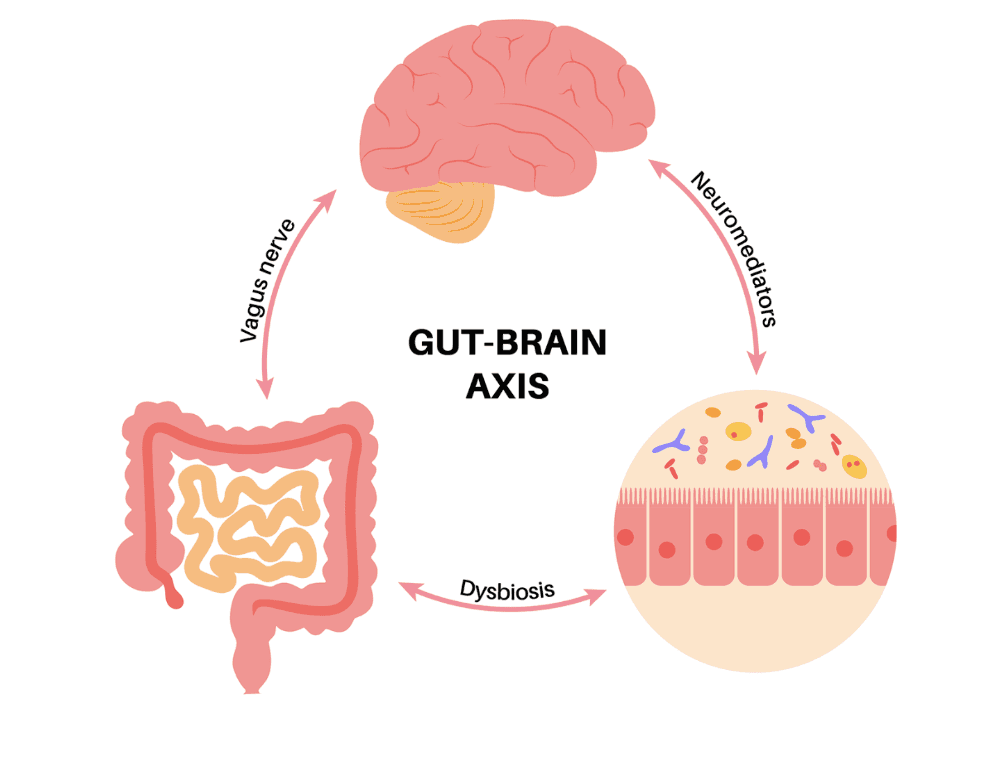
The Gut-Brain Axis: A New Neurological and Psychiatric Solution
As research continues to unravel the vast array of gut microbiota and their implications, their potential applications to treatments have expanded.
Nandhini Parthasarathy ‘ 26
Overlooked and Underserved: Gender Bias in Heart Health and Autism Diagnosis
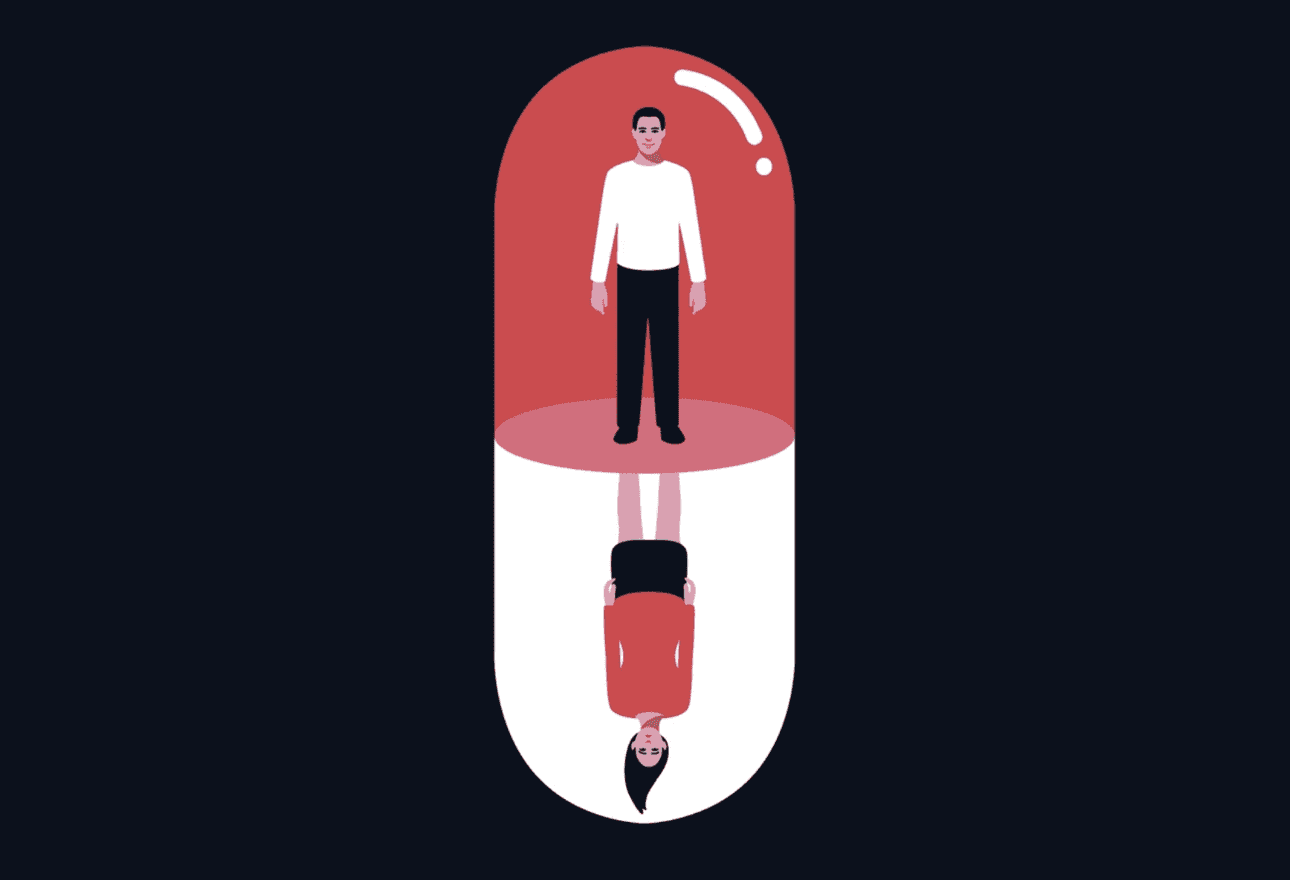
Women’s experiences with healthcare are often marked by dismissal and subjugation.
Yiran Jiang ‘26
Taking Large Language Models to the Next Level: Combining Built-in and Learned Modularity
Since the early 1980s, the idea of modularity has become important in understanding how the mind works.