Biological Sciences
Health Sciences
Universal Base-Edited CAR7 T-Cell Therapy to Treat Relapsed T-cell Acute Lymphoblastic Leukemia (T-ALL)
Kevin He '29
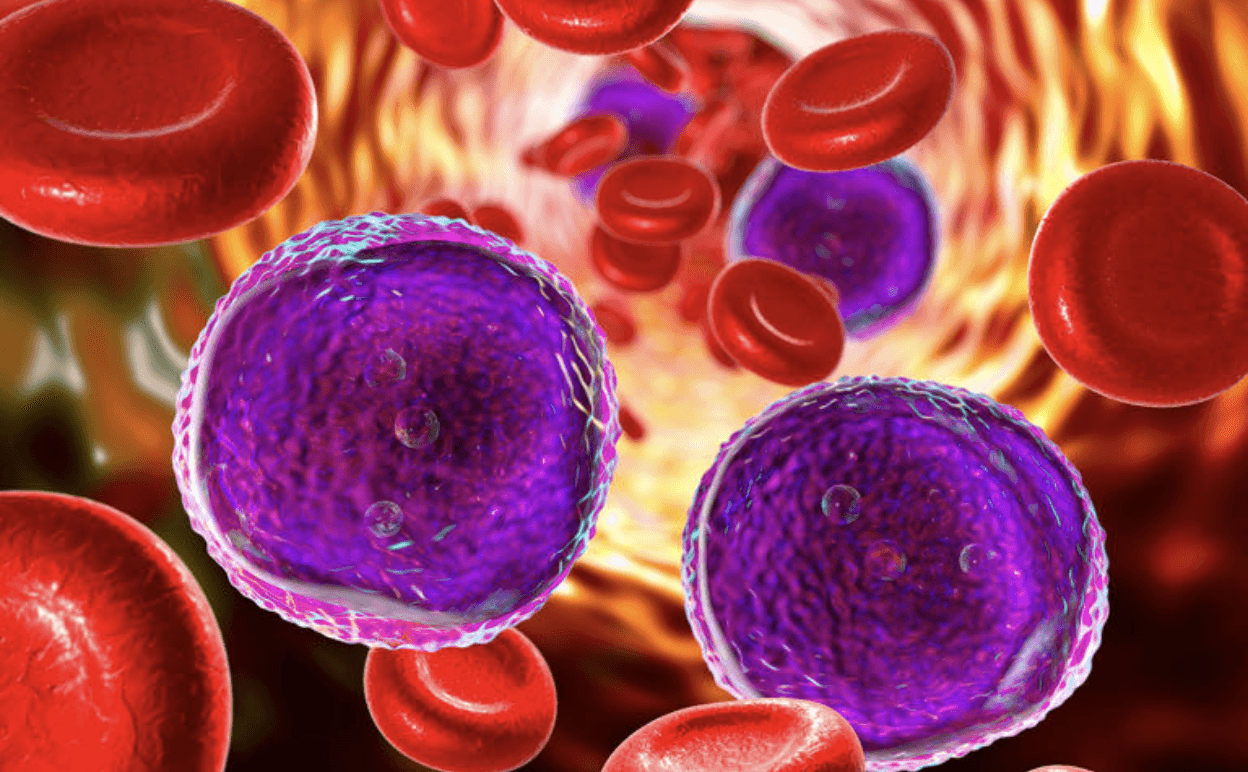
With contemporary chemotherapy, although outcomes for T-cell Acute Lymphoblastic Leukemia, a rare aggressive form of blood cancer abbreviated as T-ALL, have steadily improved with event-free survival (EFS) exceeding 85% in many contemporary clinical trials, salvage therapy treatments have not been successful, with fewer than 25% of individuals remaining alive without recurrence and fewer than 25% alive overall (Raetz et al., 2016). However, a while developing CAR-T cell therapy for leukaemia derived from abnormal T-cells has been challenging, a groundbreaking new treatment using gene-edited immune cells developed by scientists at Great Ormond Street Hospital (GOSH) and University College London (UCL) has shown promising results in helping patients fight T-cell acute lymphoblastic leukaemia (T-ALL).
Introduction to T-ALL
T-cell Acute Lymphoblastic Leukemia (T-ALL) is an aggressive hematological blood cancer characterized by accumulation of immature T-cells or lymphoblasts. It is a genomically complex disease that affects people of all ages, with 80% of cases occurring in pediatric patients, and often involves one or two genomic alterations that lead to progression into acute leukemia (Buckley et al., 2025). Each year, approximately 3,000 children in the United States are diagnosed with acute lymphoblastic leukemia (ALL) (Burke et al., 2015). T-ALL represents 12% to 15% of all newly diagnosed acute lymphoblastic leukemia cases in pediatric patients and is biologically distinct from B-ALL, or B lymphostatic leukemia (Raetz et al., 2016). Even though acute lymphoblastic leukemia (ALL) is the most common pediatric cancer, ALL is a rare disease with approximately 6,500 new cases in the United States (Kantarjian & Jabbour, 2025).
The key prognostic determinant in T-ALL is minimal residual disease (MRD) response at the end of induction and consolidation therapy, or the kinetic clearance of disease, with end-of-consolidation MRD status for identifying patients requiring interventions such as hematopoietic stem cell transportation (HSCT) (Burke et al., 2015). Despite the presence of clinically targetable alterations including NOTCH1 mutations, KMT2A rearrangements, and the NUP214::ABL1 gene fusion, patients were frequently treated with intensive chemotherapy regardless of genotype, lacking innovative therapies for relapsed T-ALL patients (Buckley et al., 2025). However, about 90% of relapsed patients treated only with chemotherapy die of disease, with a 10-year event-free survival (EFS) of only 15% in a report of 207 children in first relapse treated with chemotherapy. Therefore, allogeneic hematopoietic cell transplantation (HCT) has been the standard following procedure for relapsed pediatric T-ALL (Burke et al., 2015).
Nelarabine and pegylated asparaginase were standard chemotherapeutic drugs to treat acute lymphoblastic leukemia, but beyond this limited treatment opportunities existed. Traditional research on T-ALL therapies focused on central nervous system (CNS) directed therapy that optimizes the use of conventional agents, including dexamethasone-based regimes which clinical trials have found to reduce rates of relapse but comes with higher rates of infectious toxicity (Raetz et al., 2016). Traditional care involving two to three year multiagent chemotherapy led to long-term survival for adult patients stalling at 40%-50% compared to 80%-90% in pediatric patients, indicating a necessary treatment to cellular therapeutic pathways in the clinical setting (Kantarjian & Jabbour, 2025).
In 2026, chimeric antigen receptor T-cell (CAR-T) therapy has made significant progress as a form of cellular adoptive immunotherapy, when immunoreactive cells are activated and amplified in vitro. Previous attempts at T-cell therapies resulted in T-cell exhaustion, a dysfunctional state with loss of effector functions and limited immune responses against tumors, and thus there is low persistence of CAR-T cells. Some patients develop antigen-negative tumor recurrence, whereas treatment is ineffective and accompanied by side effects including cytokine release syndrome (CRS) and neurotoxicity (Wang et al., 2023).
The universal base-edited T-cell therapy approach uses immune cells called T-cells to destroy cancer cells, modifying them to have specific proteins on their surface called chimeric antigen receptors (CARs) which can target specific surface proteins on cancer cells, in this case the CD7 protein that is expressed in T-cell acute lymphoblastic leukemia (Chiesa et al., 2023). In 2022, researchers from GOSH and UCL delivered this Base-edited anti-CD7 CAR (BE-CAR7) T-cell therapy to a 13- year-old girl named Alyssa, and since then eight children and two adults have undergone the same treatment (Great Ormond Street Hospital [GOSH], 2025).
Base-Editing Technology and CAR T-Cell Engineering
Chimeric antigen receptor T (CAR-T) cell therapies are genetically engineered T lymphocytes that express a synthetic receptor recognizing a tumor cell surface antigen to kill the tumor cell. These treatments improve survival from large B-cell lymphoma and multiple myeloma. As of 2024, six CAR T-cell products have been approved by the FDA, attaining high rates of cancer remission for improved outcomes in solid tumor malignancies (Brudno et al., 2024).
The clinical development of therapies has progressed further due to CRISPR/Cas9 nuclease and adenine base editor (ABE) genome-editing technologies to generate allogenic CAR-T cells. In a previous 2025 study, ABE-edited CAR T cells exhibited enhanced proliferative capacity and improved tumor control compared to Cas nucleases for gene editing of therapeutic T cells (Engel et al., 2025). However, this same study also showed consistent enrichment of chromatin accessibility at sites associated with double-strand break repair and DNA repair from Cas9-edited CAR T cells, highlighting the genetic stability of base-editing technologies (Engel et al., 2025).
Base-edited anti-CD7 CAR (BE-CAR7) T-cells are engineered from T-cell DNA of healthy donors’ white blood cells using precise base-editing technology modified from the CRISPR system that precisely converts single DNA bases without cutting the double helix. This way, genes can be base-edited and rendered inactive without inducing translocations and chromosomal aberrations. Positive results have been reported in first in-human studies of CAR7 T-cells with highly precise C → U → T conversion, which can create premature stop codons or disrupt splice sites to target key markers including CD52, CD7, TRBC1, and TRBC2 (Chiesa et al., 2023).
First, donor T-cells are inactivated so that they aren’t attacked by the patient's own immune system. Disrupting T-cell receptors such as TCRαβ prevented graft-versus-host disease (GVHD) where the donor immune cells attack the host’s body, treating it as foreign (Chiesa et al., 2023). This reduces the toxicity of the CAR-T cell therapy while enhancing the efficacity.
The next step involved removing CD7 on the modified T-cells to ensure they don’t attack each other before they can be used as treatment. T-cell aplasia, in which CAR T-cells target one another because each expresses the protein that it is engineered to target, was previously a major dilemma in T-cell cancer treatment because the targeting of standard T-cell antigens such as CAR7 can trigger CAR T-cell fratricide, where the CAR T-cells kill both cancerous and healthy T-cells (Wang & Qiu, 2025). This can be avoided by manufacturing in situations where antigens are down-regulated (Chiesa et al., 2023).
Then, the removal of CD52 makes the engineered cells invisible to other cancer treatments including powerful chemotherapy used during treatment. Lastly, researchers genetically engineered T-cells to produce chimeric antigen receptor (CAR) proteins for modified cells to recognize and attack cancerous T-cells. These CAR T-cells can be given to the patient so that they rapidly find and destroy T-cells in the body, including leukemic T-cells (Chiesa et al., 2023).
Phase 1 Study and Clinical Outcomes
In the phase 1 study, BE-CAR7 T-cells were administered to 9 children under 16 years and 2 adults with T-cell ALL under compassionate-use access arrangements after lymphodepletion, which involved chemotherapy to create a favorable environment for therapeutic cell growth (Chiesa et al., 2025). If patients achieved remission by day 28 after the BE-CAR7 T-cell infusion, they received an allogeneic (donor) hematopoietic stem-cell bone marrow transplantation to restore their depleted immune system (Chiesa et al., 2025).
This clinical trial showed early positive results, with manageable side effects and circulating CAR7 T cells detected in all patients. Some complications included cytokine release syndrome, transient rashes, multilineage cytopenia that disrupted the patient’s ability to produce blood cells, and, most significantly, opportunistic viral infections (Chiesa et al., 2025).
By day 28 after treatment, all patients had complete remission with incomplete count recovery. In this phase 1 study, 9 patients (82%) achieved deep remission according to flow cytometry or polymerase chain reaction, enabling them to proceed to stem cell transplantation to eliminate remaining BE-CAR7 T cells and support multilineage tissue reconstruction. In contrast, two patients with minimal residual disease in bone marrow received palliative care (Chiesa et al., 2025). While vital reactivations were frequent and 3 patients had clinically significant virus-related complications after transplantation, 63% of patients remain disease-free as of December 6, 2025, with the first patients now three years disease-free and off treatment (Chiesa et al., 2025).
Implications for Cancer Therapy
The universal Base-Edited CAR7 T-cells induced leukemic remission in patients with relapsed T-cell ALL, allowing successful allogeneic hematopoietic stem-cell transplantation in most of the patients. In terms of ensuring consistent quality and improving affordability, allogenic (donor) CD7 CAR-T cells outperformed autologous cells (Wang & Qiu, 2025). While the GOSH universal base-edited anti-CD7 CAR T-Cells use a base-editing approach, a competing approach by Wugen (WU-CART-007) uses CRISPR/Cas9 technology to allogenically target CD7 to prevent fratricide, or CAR-T cells killing each other since both healthy donor cells and leukemia cells express CD7 (Chiesa et al., 2025). At the recommended Phase 2 dose, WU-CART-007 had a composite complete remission rate of 72.7% in patients who moved to allogeneic hematopoietic stem cell transplant (allo-HSCT) after T-cell treatment (Chiesa et al., 2025).
These trials proved base-editing of multiple genes simultaneously to overcome T-cell fratricide and graft-versus-host disease allow for the treatment of T-cell leukemia and potentially other genetic diseases without the risk of traditional CRISPR. This CAR-T therapy is also the first universal allogenic therapy from healthy donors rather than the patient’s own cells, allowing for cheaper and more accessible CAR-T therapy. With 82% of patients achieving deep enough remission to continue to a stem-cell transplant, for patients with ultra-aggressive, relapsed T-ALL base-edited CAR-T cells could become a bridge to a transplant to provide a permanent new immune system.
Alyssa Tapley, a 16-year-old girl from Leicester, was the first patient in the world to receive a base-edited cell therapy. Alyssa was diagnosed with T-cell leukaemia in May 2021. She was discussing palliative care after not responding to standard therapies, including chemotherapy and a bone marrow transplant, when this research opportunity was proposed. After being discharged to long-term follow-up, Alyssa has the ultimate goal of, “[becoming] a research scientist and be part of the next big discovery that can help people like me” (GOSH, 2025).
BE-CAR7 cells were manufactured as part of a long-standing research program led by Professor Wasseem Qasim, an NIHR Senior Investigator, Honorary Consultant at GOSH, and pioneer in developing new gene therapy derived treatments. Professor Wassem Qasim said: “Everyone is delighted for patients clearing their disease, but at the same time, deeply mindful that outcomes were not as hoped in a minority of cases. These are intense and difficult treatments – patients and families have been generous in recognising the importance of learning as much as possible from each experience” (GOSH, 2025).
Edited by Sachi Badola ‘26
Works Cited
1. Brudno et al. CAR T Cells and T-Cell Therapies for Cancer: A Translational Science Review. JAMA. 2024 Dec.
2. Buckley et al. T-cell acute lymphoblastic leukaemia: subtype prevalence, clinical outcome, and emerging targeted treatments. Leukemia. 2025 Apr.
3. Burke et al. Transplant Outcomes for Children with T-Cell Acute Lymphoblastic Leukemia in Second Remission: A Report of the CIBMTR. Biol Blood Marrow Transplant. 2015 Aug.
4. Chiesa et al. Universal Base-Edited CAR7 T Cells for T-Cell Acute Lymphoblastic Leukemia. N Engl J Med. 2025 Dec.
5. Chiesa et al. Base-Edited CAR7 T Cells for Relapsed T-Cell Acute Lymphoblastic Leukemia. N Engl J Med. 2023 Jun.
6. Engel et al. Quadruple adenine base-edited allogeneic CAR T cells outperform CRISPR/Cas9 nuclease-engineered T cells. Proc Natl Acad Sci USA. 2025 May.
7. Ghobad et al. Phase 1/2 trial of anti-CD7 allogeneic WU-CART-007 for patients with relapsed/refractory T-cell malignancies. Blood. 2025 Sep.
8. Great Ormond Street Hospital. “Ready-made” T-cell gene therapy tackles “incurable” T-Cell leukaemia. GOSH News. 2025 Dec.
9. Kantarjian H, Jabbour E. Adult Acute Lymphoblastic Leukemia: 2025 Update on Diagnosis, Therapy, and Monitoring. Epub. 2025 May.
10. Raetz et al. T-cell acute lymphoblastic leukemia. Hematology Am Soc Hematol Educ Program. 2016 Jan.
11. Wang et al. Strategies for Reducing Toxicity and Enhancing Efficacy of Chimeric Antigen Receptor T Cell Therapy in Hematological Malignancies. Int. J. Mol. Sci. 2023 May.
12. Wang L, Qiu S. CD7 CAR-T therapy: current developments, improvements, and dilemmas. Blood Sci. 2025; 7(3).
Image Reference:https://hospitalhealthcare.com/wp-content/uploads/2023/06/Base-edited-CAR7-T-cells-a-potential-treatment-for-relapsed-leukaemia.jpg
Read More
Reese Kugel '29
The Gut Feeling: How Serotonin’s True Origin Is Reshaping Our Understanding of Depression
Research on gut-derived serotonin is reshaping traditional views of depression and antidepressant treatment.

Soham Shah '29
A Perspective on Artificial Intelligence in Healthcare
AI improves diagnostic speed and accuracy, but for treatment it must stay a support tool because of ethical, legal, empathy issues.
Kevin He '29
Universal Base-Edited CAR7 T-Cell Therapy to Treat Relapsed T-cell Acute Lymphoblastic Leukemia (T-ALL)
Base-edited CAR-T therapy offers new hope for relapsed T-ALL by inducing remission and bridging patients to stem cell transplant.